Please share a bit about yourself and your background. What first drew you to working with porcelain, and how did tableware and sculpture become central to your creative expression?
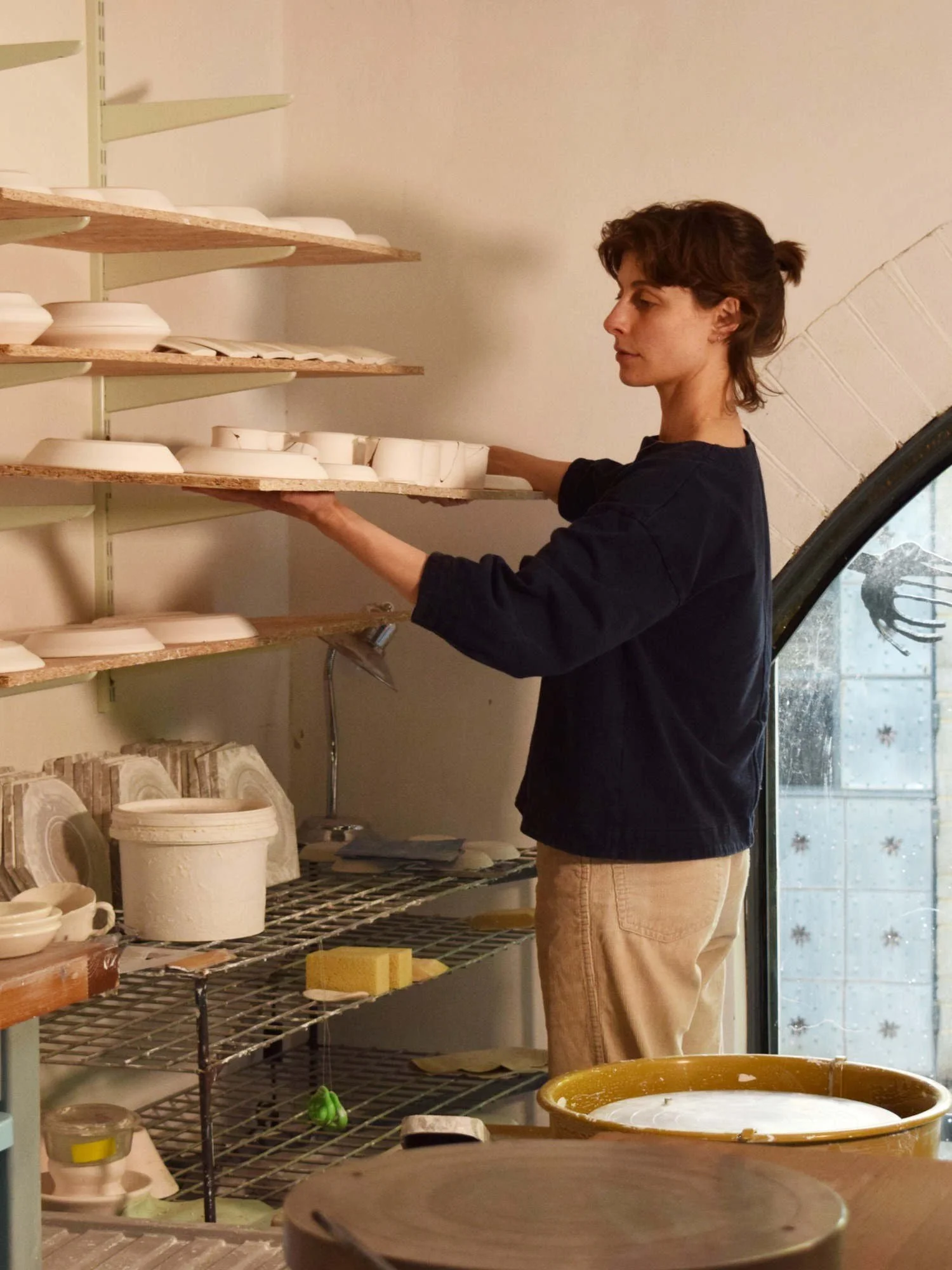
I first worked with porcelain while at Clay College (UK, 2022-24). This is an independent school in Stoke-on-Trent, focused on studio pottery skills. This is where I got to try out so many different materials and techniques for the first time, under the guidance of experts in the field.
Initially I found porcelain difficult and dramatic in comparison to other clay bodies. But it has a lot of character and I enjoyed the challenges it presented. It gives such varied responses to different processes like wood, gas and electric kiln atmospheres.
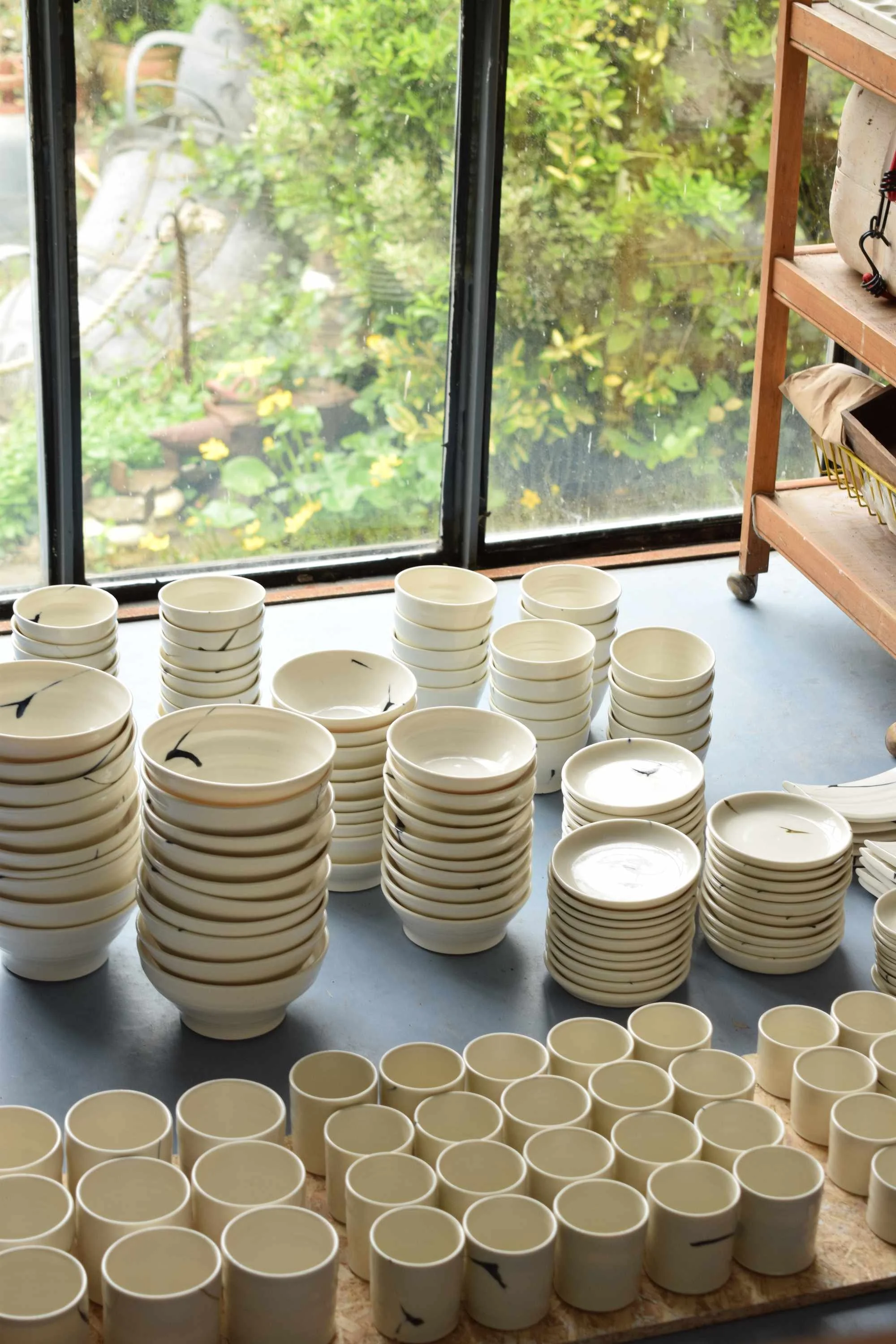
Porcelain is physically durable and strong, yet also amazingly light and ethereal. Because I use a lot of surface decoration and brushwork this lightness and translucency creates a beautiful setting for the markmaking.
I studied Fine Art at university, so sculpture was part of my making long before functional pieces. Studying art made me appreciate the making that happens outside the art world too. It is present in all kinds of activities, like making bread or composing a message. Tableware gave me a purpose and structure to frame ideas around. Though studio pottery today is as much art as function, it is important to me that my work reflects the practical history of pottery for food storage and presentation.
Can you walk us through your process? What does your making process look like, and how do you move between function and a more open, process led approach?
My practice is quite project based. It’s helpful to have something to work towards, especially in a medium that is very slow from initial idea to final fired piece. You end up working in cycles with pottery, there’s a pattern to the practice and you learn over each cycle and build on it. The nice thing is each of us gets to decide what processes we include in our work pattern. A potter I greatly admire, Anne Mette Hjortshøj, talked about each practice being within a frame; the pottery field is vast and you have to choose what you would like to dedicate your time to and include in your work.
You draw from traditional craft techniques such as basketry and brushwork. How do these influences enter your practice, and how do they shape the surface and rhythm of your pieces?
Brushwork has been something I’ve focused on since working with porcelain. Historically you see a lot of brushwork on pottery, such as early Asian pottery and later European work. The surface lends itself to highlighting marks.
Learning from other craftspeople is an amazing opportunity to pollinate your practice. Last year I completed a course of workshops with Calligrapher Ewan Clayton. Clayton was taught by his Godmother Joy Sinden, who had studied under the tutelage of Rudolf Laban, the movement theorist, about his philosophy of movement. Laban’s efforts acted as a framework for these sessions, practicing different approaches to movement and how this may translate to the clay surface. This training has given me a wider markmaking vocabulary, which I will continue to grow.
There is a quiet openness in your work that allows for imperfection and chance to remain present. How do you make space for this sense of unpredictability while working with a material that asks for such care and precision?
I think as a maker you have to accept a certain lack of control because you are working with circumstances that constantly change. Material availability, access to facilities, the weather! There is a certain amount of adaptation in my practice because it seems important to accept these changes rather than try to remain rigid.
There is always care and precision present but to allow the materials to show their quality I like to be open to chance. I’ve chosen these materials for their character and wouldn't want to restrict this from coming through.
Looking at the contemporary landscape, where do you think lies the potential to preserve and reinterpret traditional craft techniques within a modern practice?
I think the main way we can preserve and build on traditional craft techniques is through collaboration and study. Learning from makers who are experts in the field and collaborating with peers. Creating opportunities to test, record and practise to ensure we are contributing something considered to the craft.
Are there any new processes, materials, or directions you are currently exploring that feel connected to the evolution of your work?
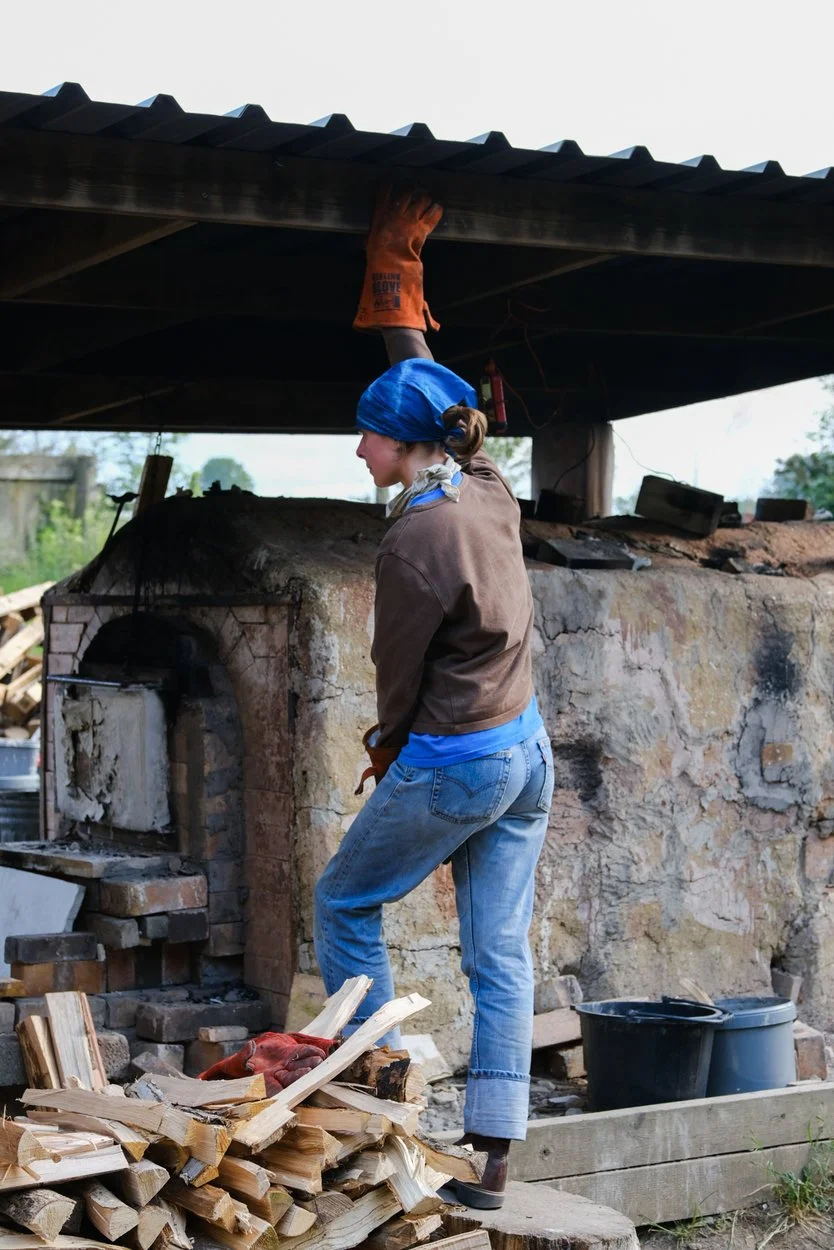
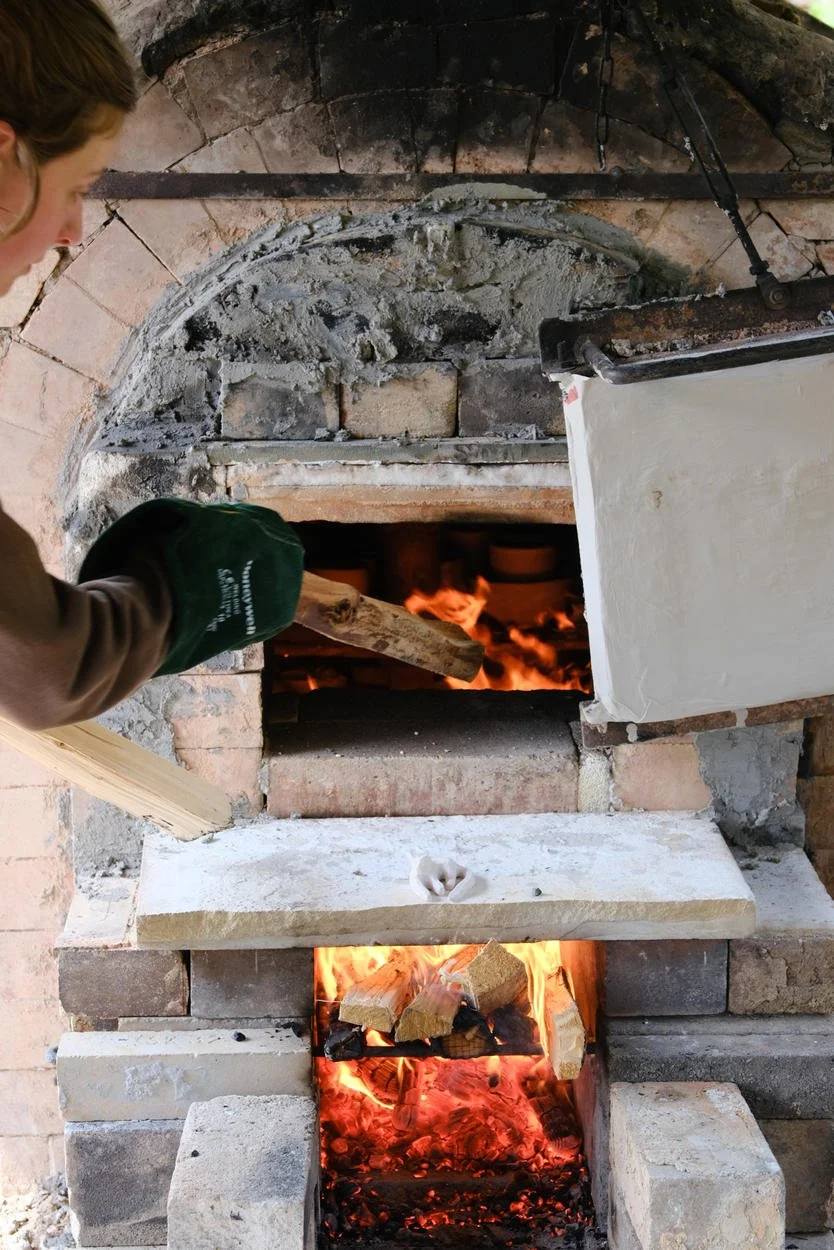
I am currently working on a collection of pieces for a woodfiring I’ll be taking part in later this year. Firing a wood kiln is not something I have access to regularly, perhaps once or twice a year, so it is a great opportunity to build on previous results. I enjoy seeing how materials respond to a different firing technique, it can highlight new qualities. There is also a huge amount of preparation and teamwork with a longer firing. It is an amazing opportunity to share knowledge and see other people’s practices evolve and is something I will continue to include in my practice.
How can people engage more closely with your work, whether through objects, exhibitions, or future projects?
Enjoy handmade objects! I think by noticing a material’s qualities and maker's influence it allows people to feel the individuality of someone's work, handling and using something to cherish its qualities.
This year I have been completing a commission for Eden; a new restaurant at Hever Castle (Kent, UK). It has been a joy to create pieces for a specific setting like this and I’m excited to see the connection between my tableware and the restaurant’s food come to life.
Following this I’ve been focusing on some new work for wood firing later this year. These firings are an ongoing project where I can build on previous results and experiment with new shapes. I continue to record my work through online presence and a quarterly newsletter so you can share my practice.
Photo [1, 2] by Elliott Denny, and the rest belong to Amelia.
ameliabrokenbrow.co.uk
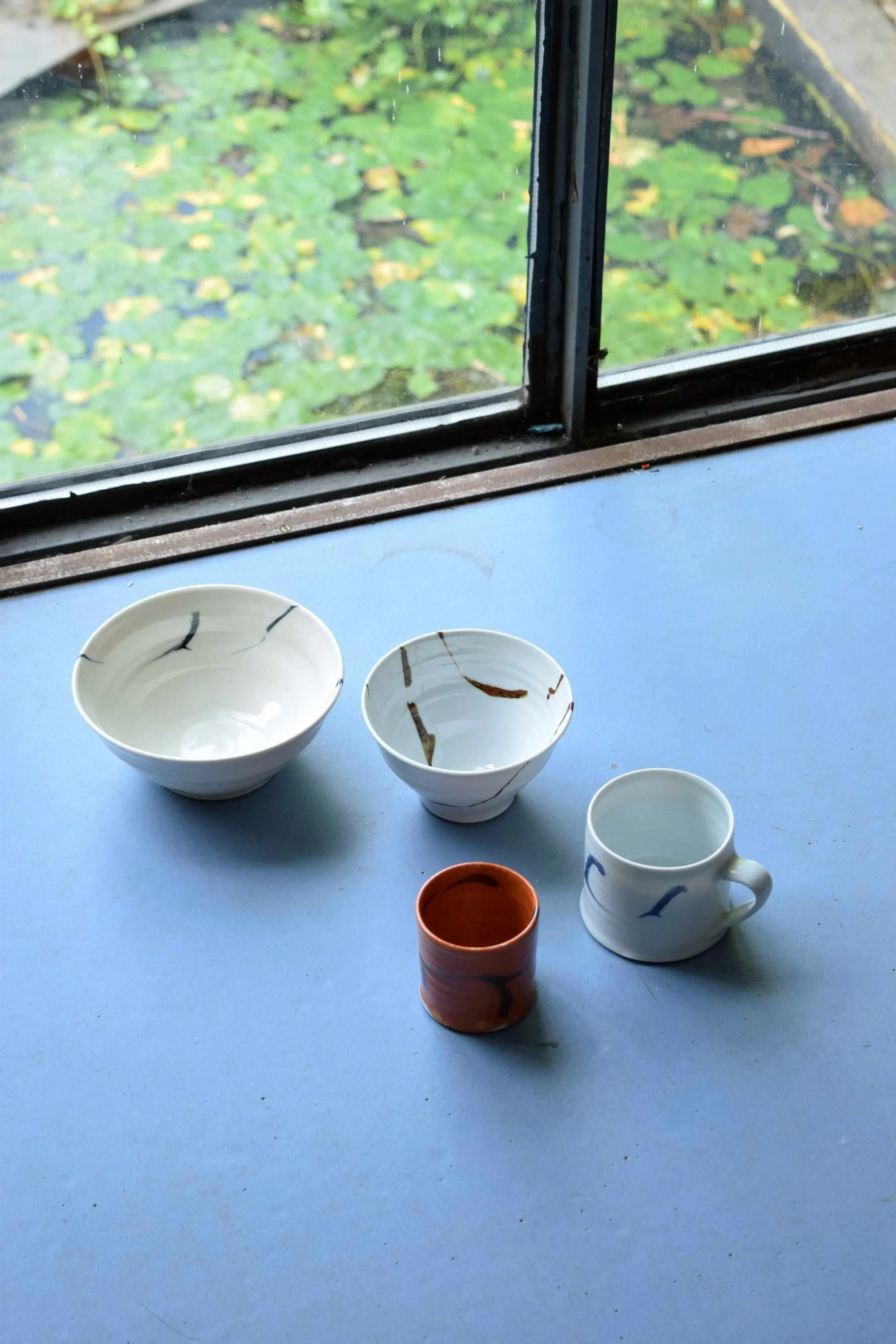
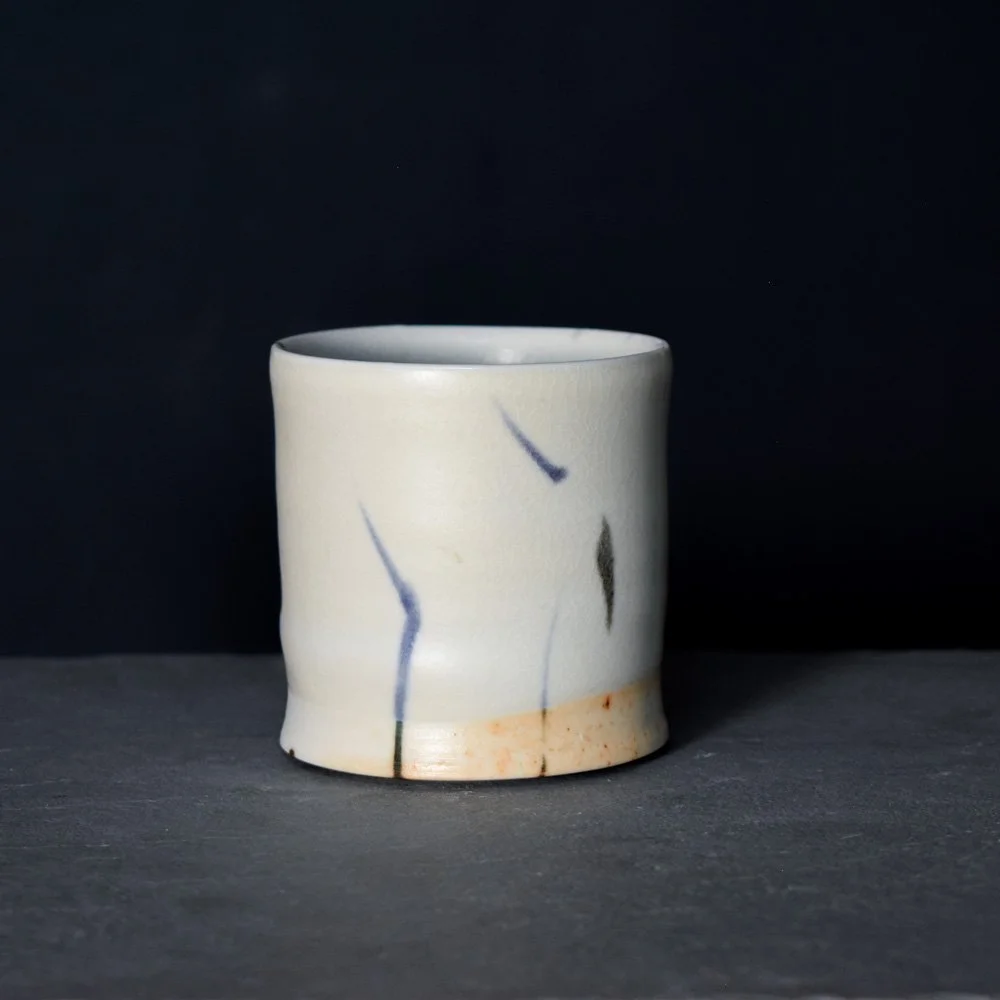
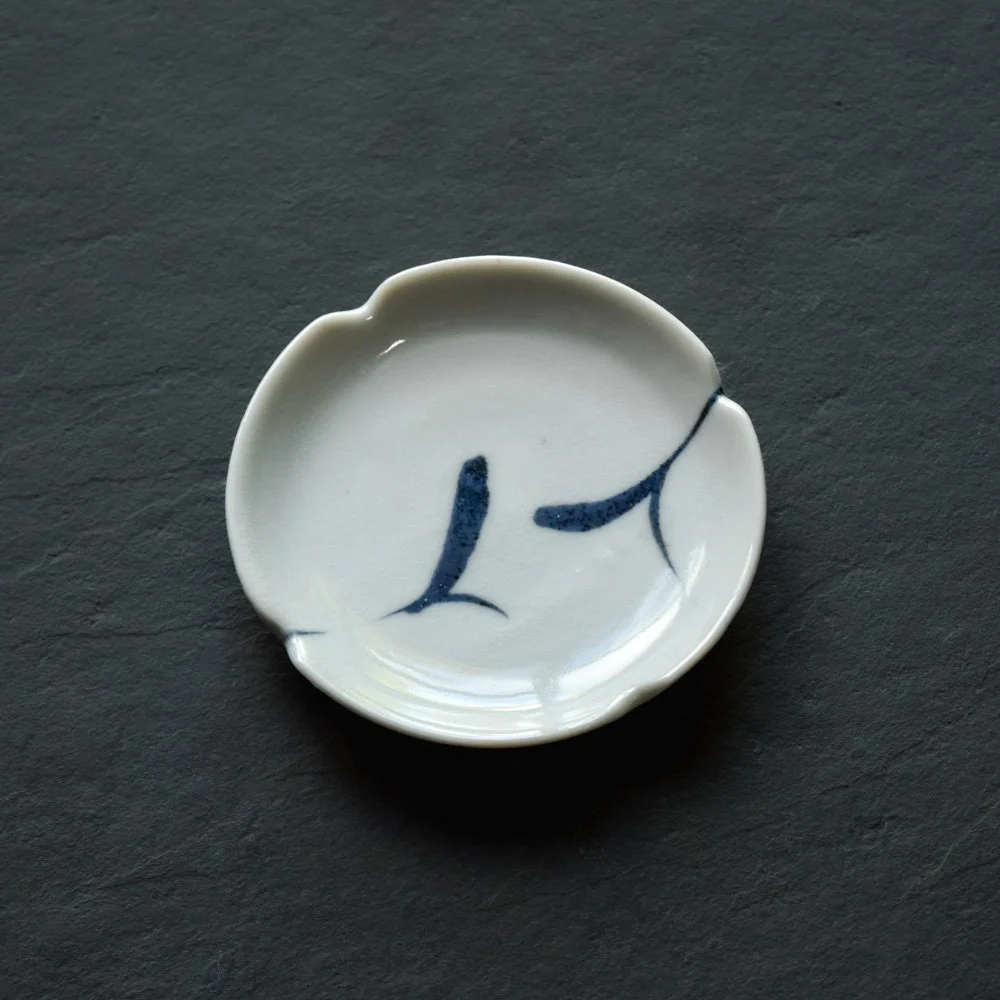
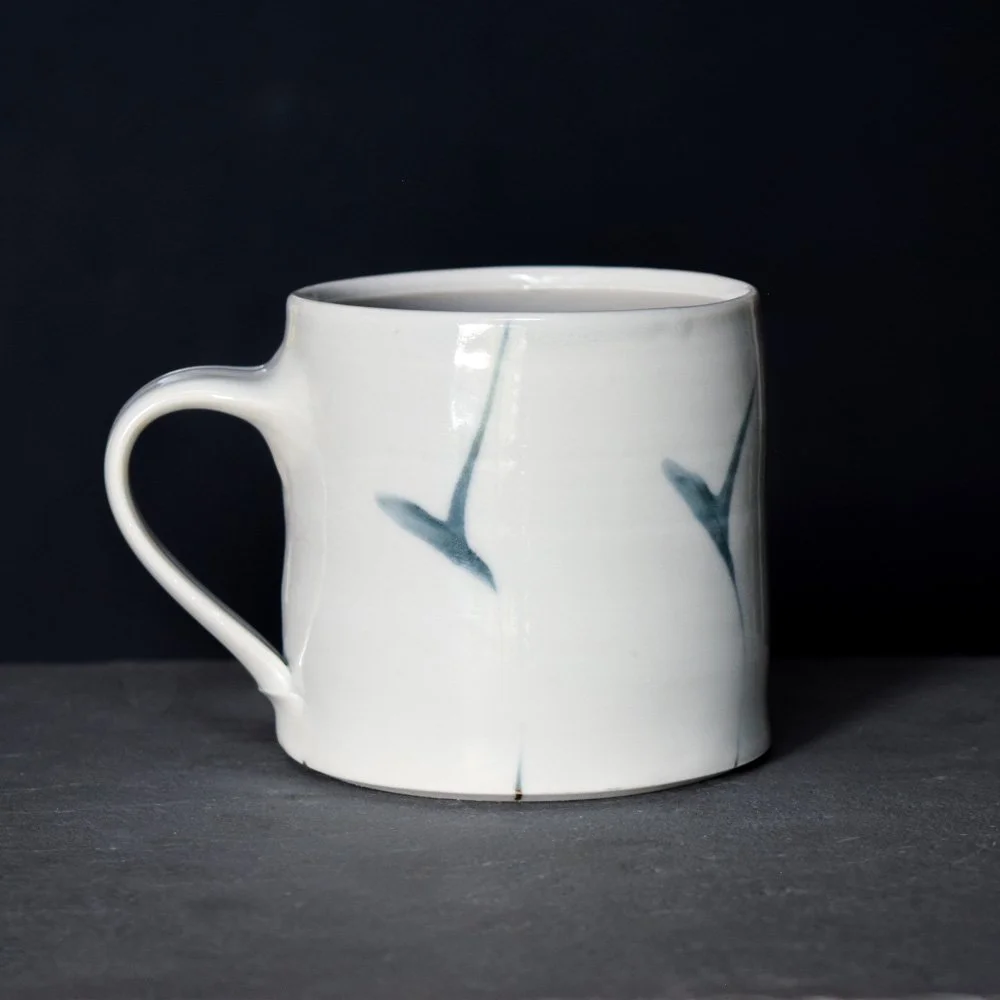
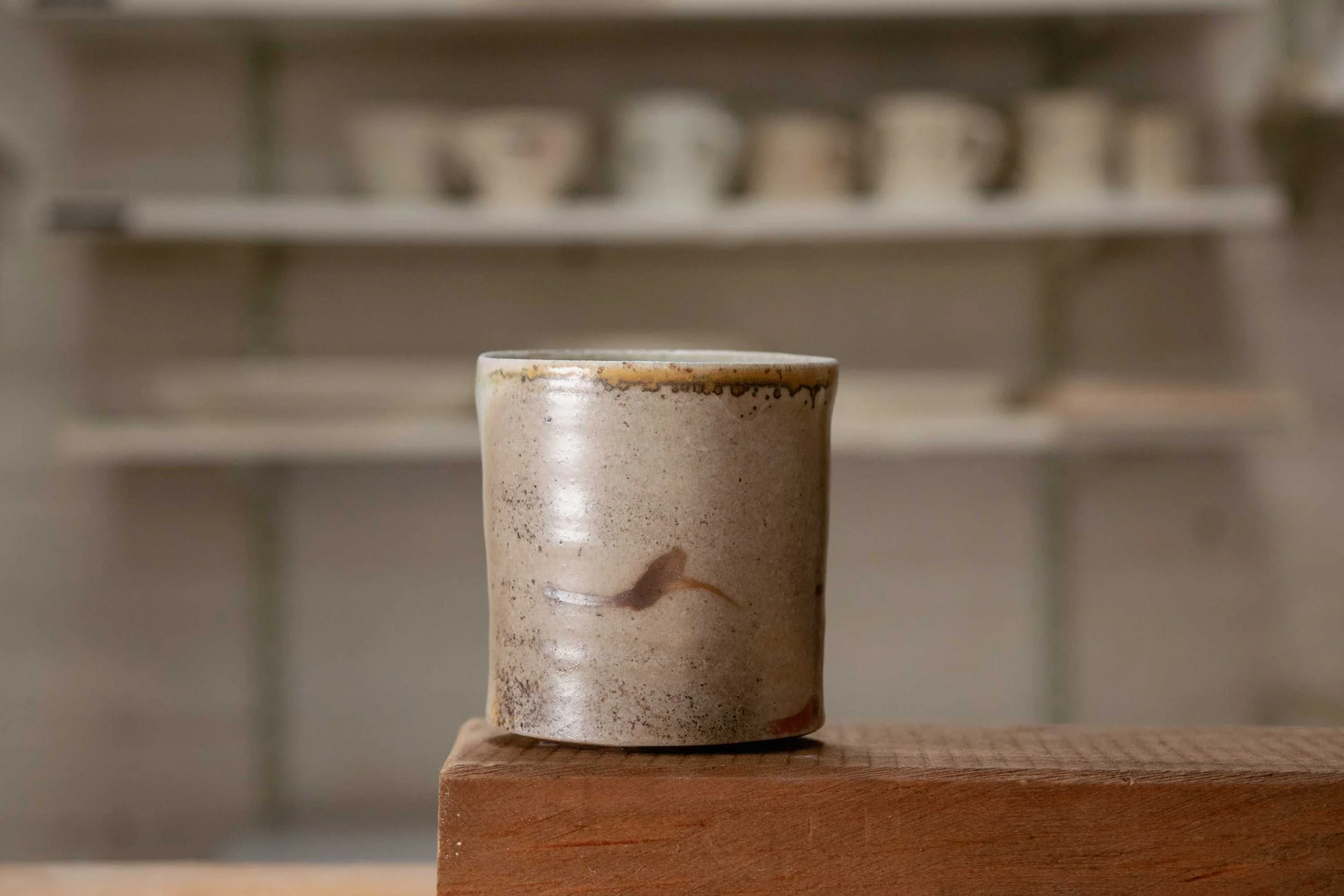
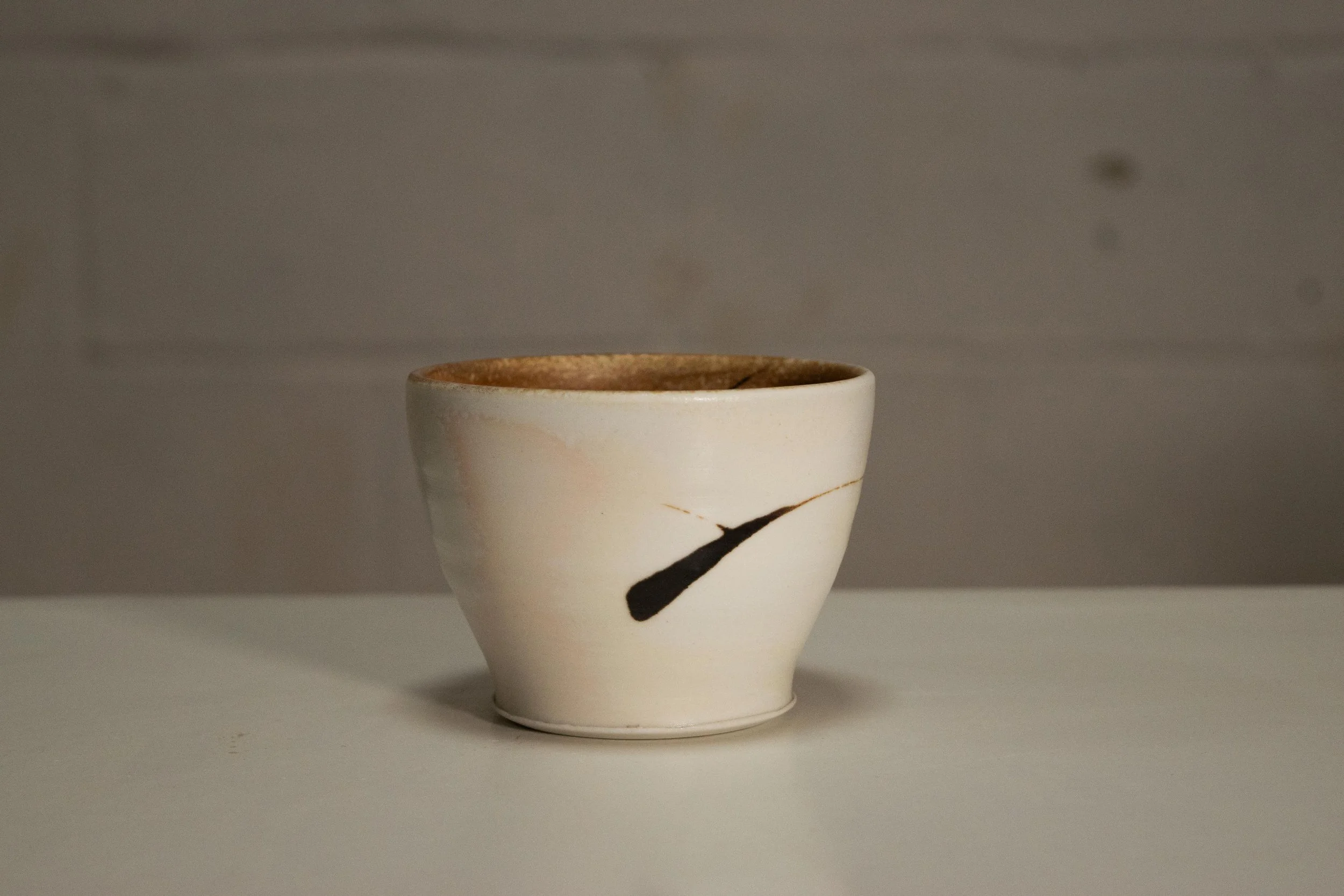
Made in the UK by Amelia Brokenbrow, Porcelain Cup I is a wheel-thrown porcelain cup marked with pigment and lined with flashing slip. It was wood-fired for two days in a reduction atmosphere, which left a soft blush across the porcelain body, while the hand-applied marks sit lightly on its translucent surface. The firing makes each cup unique.
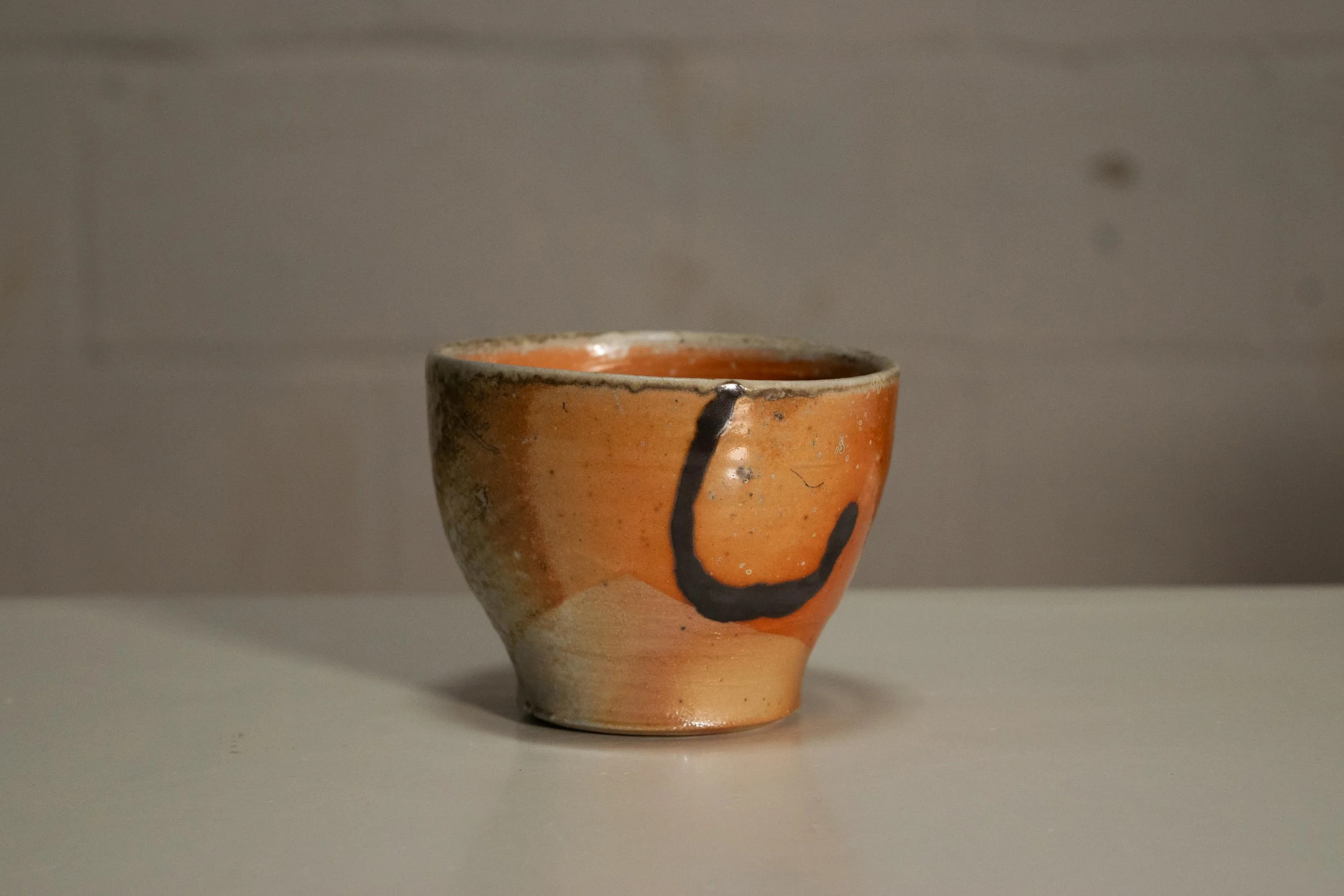
Made in the UK by Amelia Brokenbrow, the Shino Cup is thrown on the wheel in porcellaneous stoneware and glazed in shino marked with iron pigment. The shino shifts in tone during two days in a wood kiln, while the iron marks give a loose rhythm to the surface. Chance in the firing makes each cup unique.
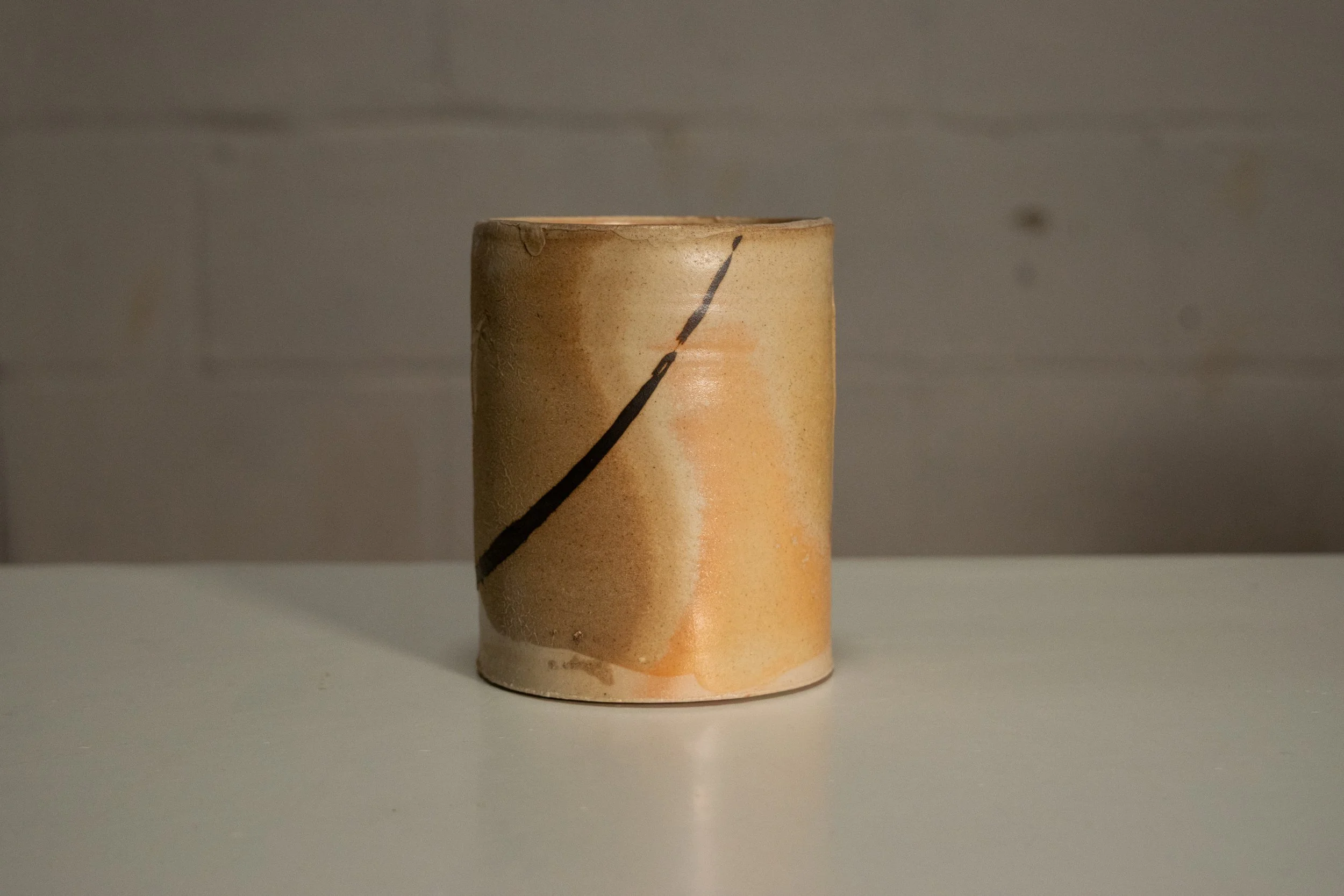
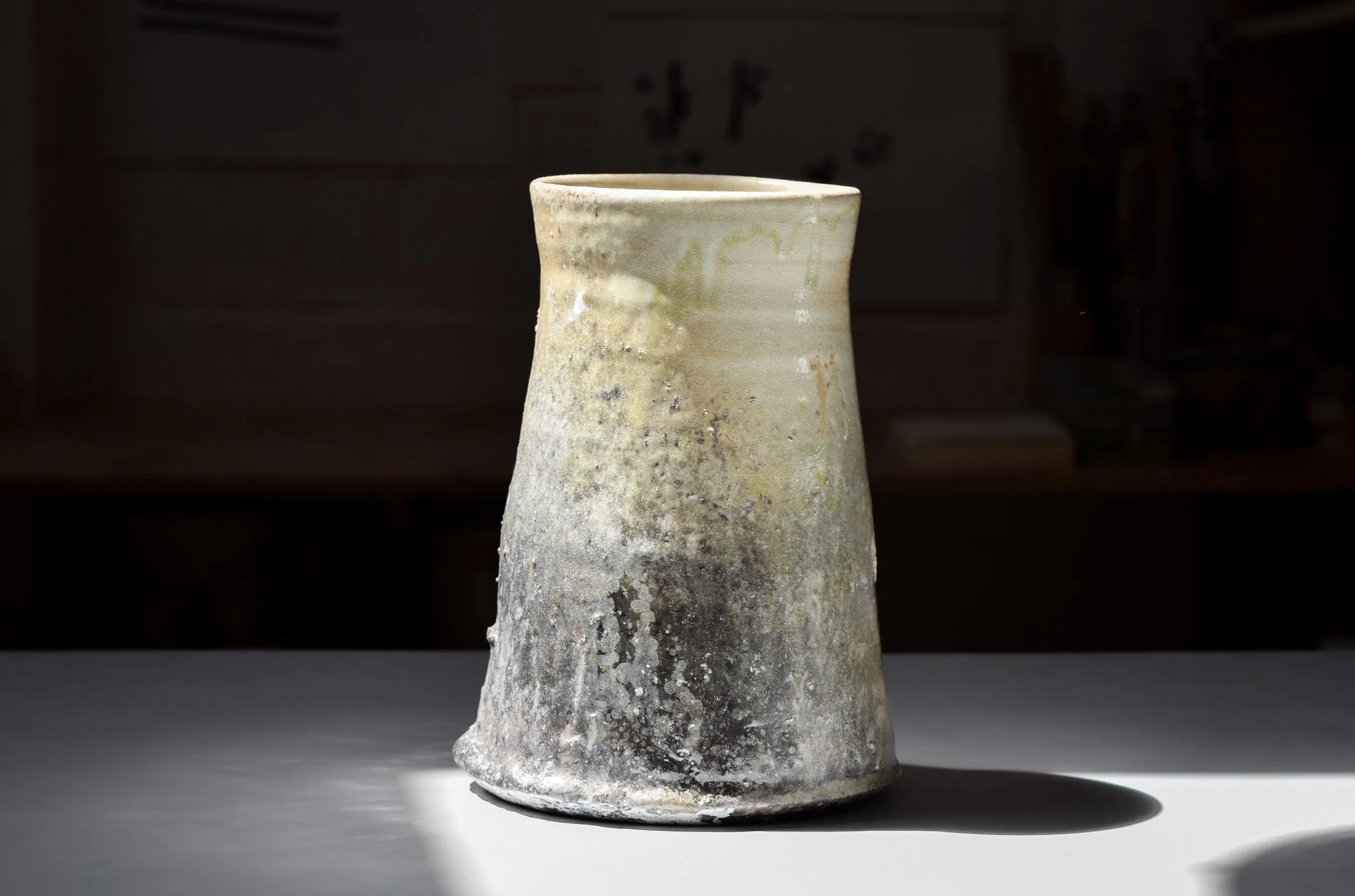
Made in the UK by Amelia Brokenbrow, the Shino Vase is a small vessel thrown on the wheel in porcellaneous stoneware and glazed in shino. Iron pigment and sgraffito mark the surface, while two days of wood firing bring variation to the glaze. No two vases are alike.
